
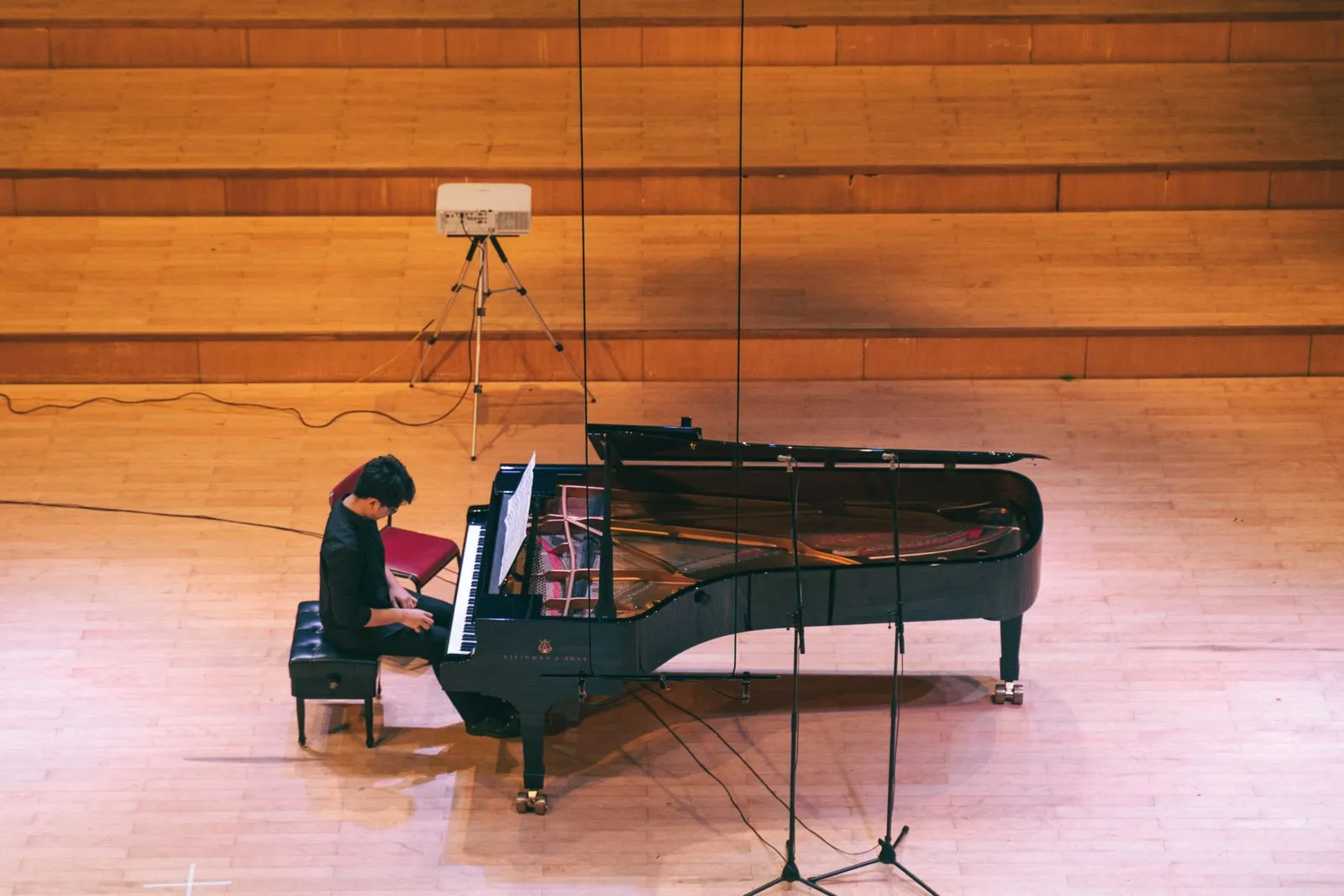
A student recital gives performers a chance to share their work and helps families see their progress. A clear plan also keeps the event manageable for teachers, volunteers, and venue staff. Start by confirming the date, room, and expected audience, then work backward to organize the program and prepare each performer. A few practical decisions about timing, seating, sound, and arrival instructions can prevent last-minute confusion and help the recital feel welcoming.
Set the Schedule Early
Choose a date after checking performer, teacher, and venue availability. Ask families to flag conflicts before you finalize the schedule. Then estimate the recital length using the number of performers, approximate piece durations, and time for transitions. Leave a little breathing room between groups so the event does not depend on every entrance and exit happening perfectly.
Create a running order that balances longer and shorter pieces and accounts for instrument changes. Share the expected arrival time, start time, and estimated finish with families. If the program is lengthy, consider a short intermission and make it clear when guests should return to their seats.
Prepare Each Performer
Collect each performer’s name, instrument, piece title, composer, and pronunciation notes for the program. Confirm whether students will bring their own instruments, music, bench, or other equipment. For shared instruments, identify who will set them up and whether the venue has what the performers need.
Give students a simple arrival plan: where to check in, where to warm up, and when to be ready. Explain stage entrances, exits, and any rules for tuning or moving equipment. A short walkthrough before guests arrive can help younger performers understand the space and reduce uncertainty.
Plan Audience Seating
Estimate attendance by asking families how many guests they expect to bring. Match the seating arrangement to the room and performance format, keeping clear paths to exits and accessible spaces. Avoid placing chairs where they block performers, instruments, or the audience’s view.
Decide whether seating is open or reserved, and tell guests what to expect. If families with young children will attend, consider an easy-to-reach area near an exit. Set aside a few seats for performers’ teachers or anyone who needs accessible seating, and ask the venue about room capacity and layout before publishing invitations.
Organize Event-Day Details
Assign someone to greet guests, someone to cue performers, and someone to handle program copies or last-minute questions. Keep a printed running order and contact list available to the organizers. Test any microphones, playback devices, or recording equipment in advance, and confirm who is responsible for each item.
Prepare clear signs for check-in, restrooms, and the performance room if guests may need directions. Confirm when the room opens, where cases and coats can go, and how the space should be left afterward. Share parking, arrival, and late-entry instructions with families before the event so they do not have to guess.
A successful student recital depends on clear expectations more than elaborate production. Confirm the room and schedule, prepare performers for the space, arrange seating thoughtfully, and give families practical arrival information. Santa Barbara Music Rooms can help hosts review room needs and event logistics; contact the venue to discuss your recital plan.